
CROP 03 · STRUCTURE NOTES
Peppers need light and heat; the house should not over-build for snow it will never see.
Pepper houses in hot climates are often over-specified with heavy snow sections they never need. The money is better spent on vent area, shade and a cover that transmits light.
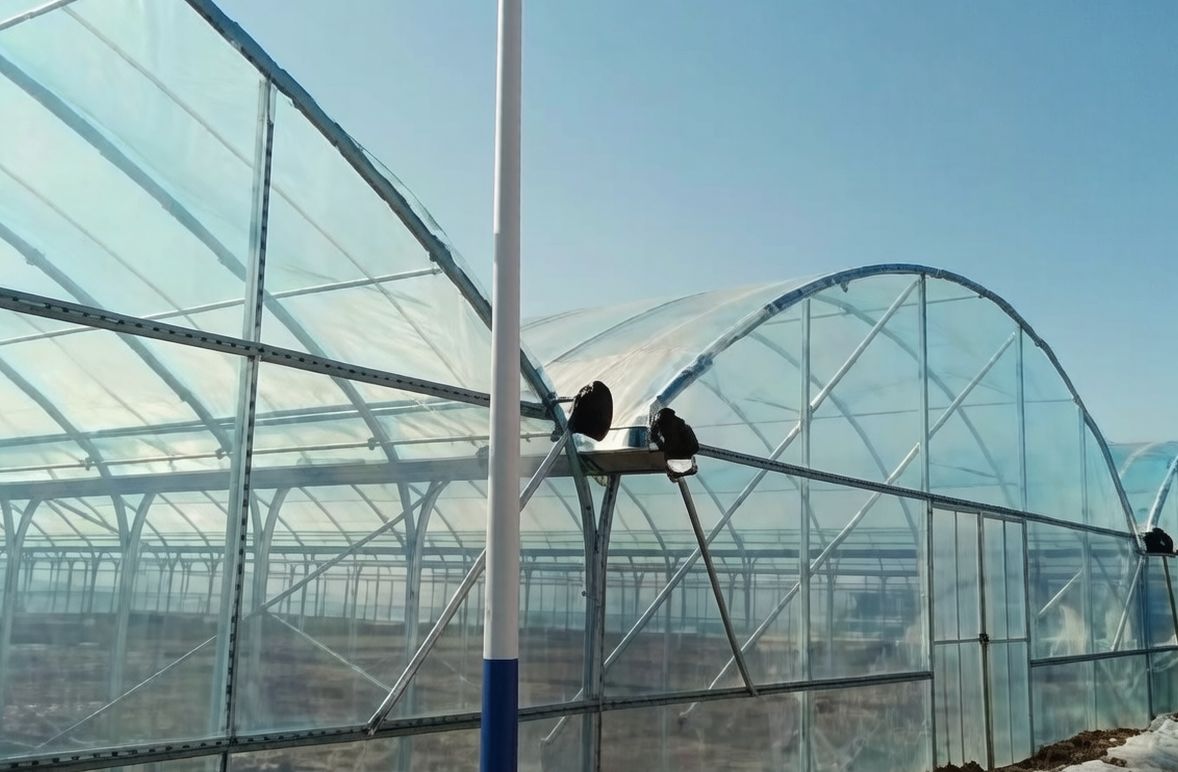
In a warm site the governing load is wind, not snow. That means the section sizes can be lighter than a northern buyer expects, provided the anchors and bracing are right. Buyers who copy a snow-country specification into a desert project pay for steel that does nothing.
| Item | Value | Note |
|---|---|---|
| Span | 6.2–8.0 m | shorter spans, more vent |
| Eaves | 3.0–4.0 m | canopy plus buffer |
| Vent | side roll-up + ridge | high area |
| Shade | 30–50 % net | over the roof |
| Load case | wind-driven | no snow |
Shade net is a structural load as well as a climate tool: it adds uplift area. A net fixed over a roof that was designed for film only needs the fixing points and the purlin spacing checked. We quote the net support as a separate line when it is specified.
Ask for the load case in writing
“No snow” is not a load case. Ask for the wind speed the structure must resist, then let the sections follow.
Related
Read next
Pages that answer the question this page raises.
- 05.01Multi-span film houseMulti-span film greenhouse frames: 6.2–12 m span, gutter-connected, galvanised oval arches→
- 08.02Span, bay, eavesHow span, bay and eaves height affect greenhouse frame sections, weights and cost. Design →
- 06Crop guidesGreenhouse structure by crop: tomato, cucumber, pepper, strawberry, leafy greens, blueberr→
- RFQ builderBuild a greenhouse frame RFQ: select tube, profiles, gutters and system lines, add project→
NEXT STEP
Quote a house around your pepper plan
Send the crop plan: row spacing, support height and vent target. We will translate it into a frame schedule you can price.